
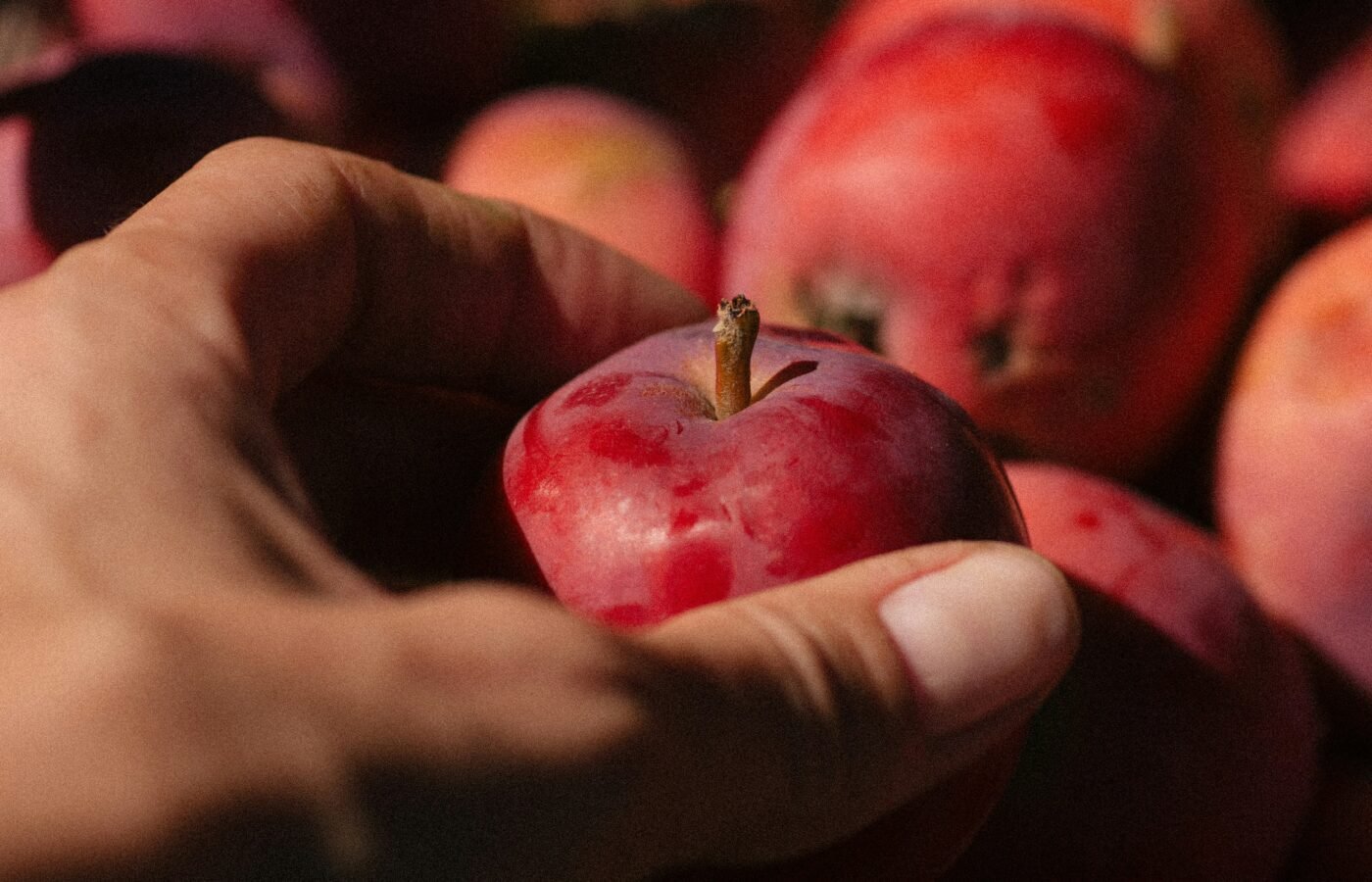
The Complete Beginner’s Guide to Whole Foods

If you’ve ever wondered where to begin eating healthier, this complete beginner’s guide to whole foods is the perfect place to start. Rather than following restrictive diets or chasing the latest nutrition trends, learning how to eat more whole foods offers a practical, sustainable approach to better health. In this guide, you’ll discover what whole foods are, why they matter, and how you can confidently make them part of your everyday life.
What Are Whole Foods?
Simply put, whole foods are foods that remain as close as possible to their natural state. They are minimally processed and retain most of their original nutrients, fibre, texture, and flavour.
Examples of whole foods include:
- Fresh fruit
- Fresh vegetables
- Whole grains such as oats, spelt, and brown rice
- Beans, lentils, and chickpeas
- Nuts and seeds
- Fresh herbs and spices
Although some foods undergo minimal processing—such as freezing vegetables or milling whole grains—they still retain their nutritional value and remain excellent choices.
Why Are Whole Foods Better?
Whole foods naturally provide a wide range of nutrients that work together to support overall wellbeing. Unlike many highly processed products, they are naturally rich in:
- Dietary fibre
- Vitamins
- Minerals
- Complex carbohydrates
- Healthy fats
- Plant protein
- Phytonutrients and antioxidants
As a result, meals centred around whole foods tend to be more satisfying and nutrient-dense.
Furthermore, because whole foods generally contain fewer additives and refined ingredients, they encourage a simpler, more balanced way of eating.
Whole Foods vs Ultra-Processed Foods
One of the easiest ways to improve your diet is to understand the difference between whole foods and ultra-processed foods.
Whole foods have undergone little processing and usually contain a single ingredient.
Ultra-processed foods, however, are industrially manufactured products that often contain:
- Added sugars
- Refined starches
- Artificial flavourings
- Colourings
- Emulsifiers
- Preservatives
- Hydrogenated or refined oils
For example, sugary breakfast cereals, confectionery, soft drinks, packaged pastries, and many ready meals fall into this category.
This doesn’t mean every packaged food should be avoided. Instead, learning to read ingredient labels allows you to make informed choices.
The Benefits of Eating More Whole Foods
There are many reasons why people choose a whole-food lifestyle.
For example, whole foods can help you:
- Increase your fibre intake
- Enjoy a greater variety of nutrients
- Eat more seasonal produce
- Prepare satisfying meals from simple ingredients
- Reduce reliance on heavily processed convenience foods
Moreover, cooking with whole ingredients allows you to appreciate the natural flavours, colours, and textures of real food.
Why Focus on Plant-Based Foods?
A whole-food, plant-based lifestyle doesn’t have to be all or nothing.
Instead, think of it as increasing the proportion of plant foods on your plate.
For instance, vegetables, legumes, whole grains, nuts, seeds, herbs, and fruit provide an incredible variety of nutrients while creating colourful, satisfying meals.
Consequently, many people discover that eating more plants is not only healthier but also more enjoyable and affordable.
Build a Simple Whole Foods Pantry
One of the best ways to succeed is to make healthy choices convenient.
Consider stocking your pantry with:
Whole Grains
- Spelt
- Oats
- Brown rice
- Buckwheat
- Quinoa
Legumes
- Lentils
- Chickpeas
- Butter beans
- Black beans
- Kidney beans
Nuts & Seeds
- Chia seeds
- Flaxseeds
- Pumpkin seeds
- Sunflower seeds
- Almonds
- Walnuts
Everyday Produce
- Leafy greens
- Broccoli
- Carrots
- Onions
- Tomatoes
- Apples
- Berries
- Citrus fruits
As your pantry grows, preparing healthy meals becomes quicker and easier.
Start with Small Changes
Many beginners believe they need to transform their entire diet overnight.
However, lasting habits are usually built one small step at a time.
For example, you could:
- Replace white bread with homemade spelt bread.
- Swap sugary cereal for oats and fruit.
- Add lentils to soups and stews.
- Include an extra serving of vegetables with dinner.
- Snack on fruit or nuts instead of processed snacks.
- Drink more water throughout the day.
Over time, these simple habits can lead to meaningful improvements.
Learn to Read Food Labels
Before buying packaged food, pause for a moment and check the ingredient list.
Ask yourself:
- How many ingredients are there?
- Can I recognise each ingredient?
- Would I use these ingredients in my own kitchen?
Generally speaking, foods with shorter ingredient lists are closer to their natural form.
Keep Cooking Simple
Fortunately, healthy cooking doesn’t have to be complicated.
In fact, some of the most nourishing meals are also the simplest.
Ideas include:
- Hearty lentil soup
- Fresh salads with seeds
- Homemade spelt flatbread
- Vegetable curries
- Green smoothies
- Wholegrain porridge
- Roasted vegetables with chickpeas
- Whole-food blueberry muffins
Above all, focus on using quality ingredients rather than complicated techniques.
Progress Is Better Than Perfection
Healthy eating is not about following strict rules.
Instead, it’s about making better choices more often.
There will always be celebrations, holidays, and busy days. Nevertheless, when whole foods become the foundation of your diet, occasional indulgences become just that—occasional.
Ultimately, consistency matters far more than perfection.
Begin Your Whole Foods Journey Today
Now that you’ve read this complete beginner’s guide to whole foods, you’re ready to take the first step.
Start with one simple recipe.
Choose one whole ingredient you’ve never cooked before.
Fill your shopping basket with foods that nourish rather than merely satisfy.
Most importantly, enjoy the process.
At Risteard’s Whole Foods, we believe healthy eating should be practical, enjoyable, and accessible to everyone. Whether you’re baking fresh spelt bread, blending a vibrant smoothie, or preparing a nourishing soup, every meal is another step toward building lifelong healthy habits.
For more evidence-based healthy eating guidance, explore the Harvard T.H. Chan School of Public Health’s Healthy Eating Plate, which offers practical recommendations for creating balanced meals.